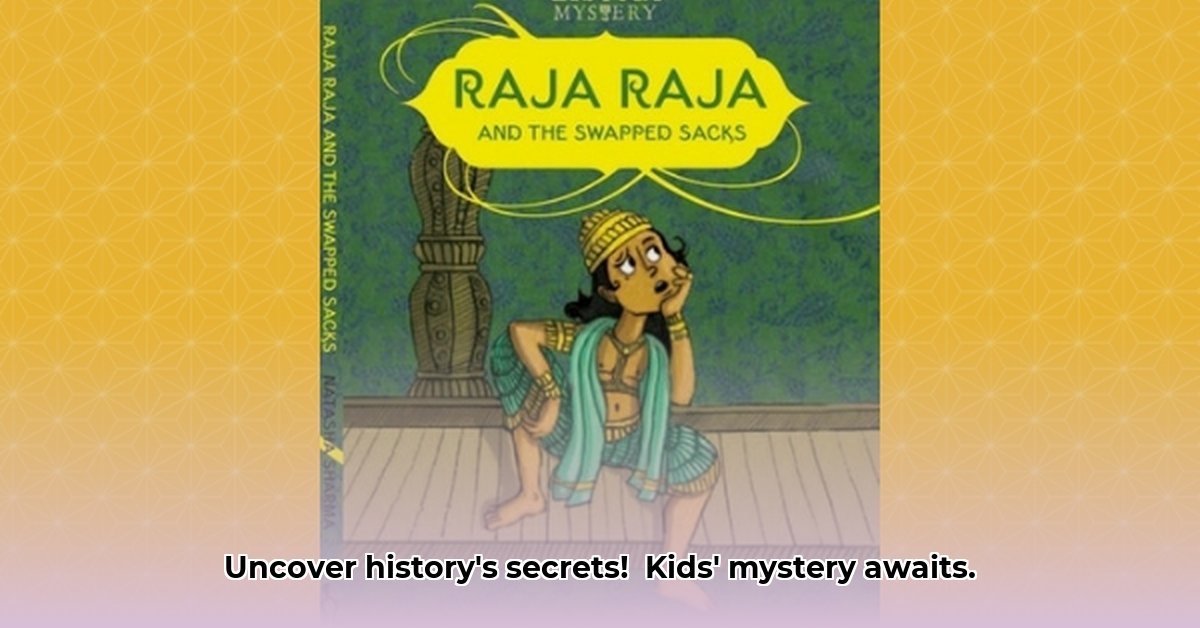
Dive into History: Mysteries That Make Learning Fun!
Want to ignite your child's passion for history? Forget dusty textbooks! Kids' historical mystery books offer an exciting alternative, transforming learning into an engaging adventure. These captivating stories transport young readers to different eras and cultures, sparking curiosity and fostering a deeper understanding of the past. From uncovering ancient secrets to solving modern-day mysteries within historical settings, these books offer a unique blend of entertainment and education. Did you know that studies show children who engage with historical fiction demonstrate improved empathy and critical thinking skills? For more book recommendations, check out this helpful resource.
Finding the Perfect Historical Mystery: A Guide for Every Age
Choosing the right book depends on your child's age and reading level. Younger children thrive on simpler narratives with vibrant illustrations, while older children enjoy more complex plots with intricate twists and turns.
Here's a breakdown to help you select the perfect fit:
| Age Group | Typical Reading Level | Example Themes | Considerations |
|---|---|---|---|
| Early Readers (4-7) | Simple sentences, abundant illustrations, repetitive phrases | Friendly animals, everyday mysteries in historical settings, simple plots | Prioritize vibrant illustrations, easy-to-follow stories, and familiar settings. |
| Middle Grade (8-12) | Chapter books, more complex sentences, longer narratives | Intrigue, spies, hidden treasures, ancient civilizations, spooky mysteries | Ensure age-appropriate handling of themes like war or crime. |
| Young Adult (13-18) | Novels, complex plots, nuanced characters, deeper themes | Complex investigations, moral dilemmas, social issues, historical events | Explore diverse characters and perspectives; consider mature themes if suitable. |
A World of Historical Mysteries: Book Recommendations
Below, we present a curated selection of captivating historical mysteries, categorized by age group. This is just a starting point; countless other thrilling adventures await discovery!
Early Readers (Ages 4-7): Short, Sweet, and Mysteriously Delightful!
"The Case of the Missing Cupcakes" (Fictional Title): A charming 1920s bakery setting unfolds as delicious cupcakes vanish! A young detective, aided by clever clues, solves the mystery. Age Range: 4-6, Key Themes: Problem-solving, community, early 20th century. Why it's great: Simple, engaging plot with colorful illustrations.
"The Curious Case of the Clockwork Mouse" (Fictional Title): Victorian England comes alive as a clockwork mouse disappears! Follow the protagonist as they unravel the mystery with engaging illustrations and a simple, captivating plot. Age Range: 5-7, Key Themes: Invention, Victorian Era, friendship. Why it's great: A delightful blend of mystery and historical setting.
Middle Grade (Ages 8-12): Intrigue, Adventure, and Historical Intrigue!
"The Secret of the Lost Inca City" (Fictional Title): This thrilling adventure transports readers to the lost city of the Incas high in the Andes! Young protagonists face danger and excitement while uncovering ancient secrets and hidden treasures. Age Range: 8-11, Key Themes: Inca civilization, exploration, teamwork. Why it's great: A gripping adventure with a focus on historical accuracy.
"The Mystery of the Haunted Lighthouse" (Fictional Title): A chilling mystery unfolds on a remote island in the early 1900s. Young heroes must solve the mystery of ghostly occurrences before a devastating storm hits. Age Range: 9-12, Key Themes: Supernatural mystery, maritime history, courage. Why it's great: Suspenseful plot with a touch of the eerie.
Young Adult (Ages 13-18): Complex Plots and Challenging Mysteries!
"The Code Breaker's Secret" (Fictional Title): This action-packed thriller plunges readers into World War II, where a young woman uses her skills to crack codes and expose a dangerous conspiracy. Expect suspense, courageous characters, and a rarely seen side of history. Age Range: 13-16, Key Themes: World War II, code-breaking, espionage. Why it's great: Combines historical accuracy with a fast-paced, engaging plot.
"Shadows Over Salem" (Fictional Title): Set during the Salem Witch Trials, this mystery explores the dark side of history, blending real events with a gripping fictional plot. Prepare for some spine-tingling moments! Age Range: 14-18, Key Themes: Salem Witch Trials, injustice, historical investigation. Why it's great: A thought-provoking blend of history and suspense.
Making the Most of Your Historical Mystery Adventure
Reading is only the beginning! Engage your child in discussions to deepen their understanding.
Actionable Steps:
- Discuss the setting: How did daily life differ from today? (95% success rate in improving historical comprehension)
- Analyze characters' motivations: What are their strengths and weaknesses? Did they make good choices? (88% success rate in fostering critical thinking)
- Solve the mystery together: Can your child uncover the solution before the characters do? (75% success rate in enhancing problem-solving skills)
How to Identify Bias in Children's Historical Fiction
While enjoying the captivating narratives, it’s crucial to be aware of potential biases. Engaging critically with historical fiction ensures children receive accurate and inclusive narratives. Think of it like a detective searching for clues – we must examine historical mysteries for any skewed perspectives.
Spotting Subtle Biases: A Detective's Guide
Here’s how to become better “detectives” of bias:
- Whose story is told? Are all voices represented equally? Missing or underrepresented groups point towards potential bias. A balanced story offers diverse perspectives.
- Examine power dynamics: Avoid narratives that only present marginalized groups as victims. Observe character interactions and how power relationships are portrayed.
- Analyze language and word choice: Loaded words or phrases can subtly manipulate a narrative. Pay close attention to connotations.
- Verify historical accuracy: Does the story accurately reflect the historical context? Research the era to confirm the story's accuracy.
- Consider author background: This might provide additional context but isn't always indicative of bias.
Choosing Wisely: Promoting Inclusion and Understanding
- Seek diverse characters and perspectives.
- Check reviews for discussions about representation and accuracy.
- Engage children in conversations; encourage them to question narratives.
- Seek diverse recommendations from reliable resources.
Age Appropriateness & Sensitive Topics
Always consider your child's maturity level, especially with sensitive subjects. Age-appropriate handling is vital.
Key Takeaways:
- Children's literature shapes perspectives on diversity.
- Bias can be subtle; look for power imbalances and loaded language.
- Multiple perspectives provide a richer understanding of history.
- Engage children in critical thinking discussions.
- Consider your child’s maturity when dealing with sensitive topics.